
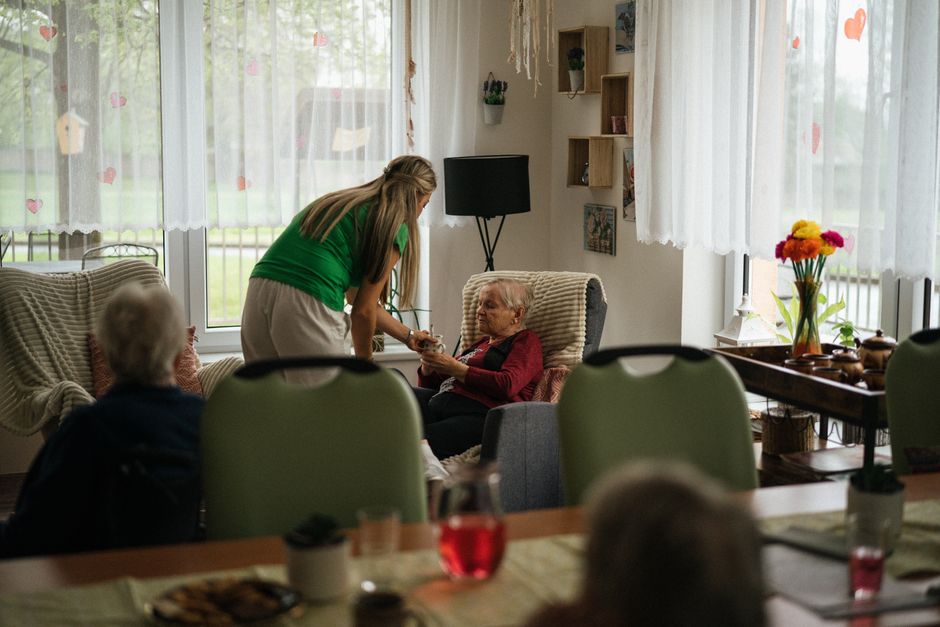
An interview with an assisted living resident can reveal details that brochures and floor plans often miss: how mornings begin, how meals feel, what support is actually provided, and which parts of the day residents value most. These conversations are useful for older adults and families trying to understand what daily life may be like before making a housing decision.
A resident’s experience is personal, not universal. Still, thoughtful questions can uncover patterns that are difficult to understand from a tour alone.
What does a typical day in assisted living look like?
A typical day usually combines personal routines, meals, optional activities, medication support, social time, and rest. Residents generally have more structure than they would living alone, but they may still choose how to spend much of the day.
A resident might describe a morning that includes:
- Waking up at a preferred time
- Assistance with dressing, bathing, or grooming if needed
- Breakfast in a shared dining area or, in some settings, in the apartment
- Medication reminders or administration according to the care plan
- Time for reading, exercise, conversation, or quiet activities
The afternoon may include lunch, scheduled programs, appointments, visits, or time outdoors. Evenings often involve dinner, television, games, phone calls, and preparation for bed.
The key difference from independent living is that help is available as part of the daily routine. The amount of help can vary from occasional reminders to hands-on assistance with personal care.
What do residents usually say about their morning routine?
Many residents say that mornings become easier when they no longer have to manage every household task alone. Help may be available for bathing, selecting clothing, moving safely through the apartment, or remembering medications.
A resident may still prefer a familiar routine, such as having coffee at a certain time, listening to the radio, or reading the morning news. Personal preferences matter because a supportive setting should not eliminate a person’s sense of control.
A useful interview question is: “What happens if you want to sleep later or change your plans?” The answer can show whether residents have meaningful flexibility or whether the daily schedule feels overly rigid.
Families may also ask how staff respond when a resident has a difficult morning. A calm explanation of the process can reveal more than a general statement that assistance is available.
How do meals affect daily life?
Meals are often one of the most noticeable parts of assisted living. Residents may eat in a communal dining room, choose from several options, or receive assistance with special diets. Dining can provide regular nutrition and social contact, but preferences differ widely.
Some residents enjoy sitting with others and having conversation built into the day. Others prefer a quieter table or occasional meals in their apartment. Questions about dining should cover more than taste.
Residents and families may want to ask:
- Are meal times fixed or flexible?
- Can residents request substitutions?
- How are food allergies, diabetes, swallowing concerns, or cultural preferences handled?
- Is assistance available for opening containers or positioning utensils?
- What happens if a resident misses a meal?
A resident’s comments can also reveal whether meals feel rushed, whether dining is comfortable, and whether staff notice changes in appetite.
What is the social experience like?
Social life varies. Some residents quickly form friendships through meals, activities, religious observance, exercise, or shared interests. Others need time to become comfortable or prefer limited interaction.
A resident may explain that the most valuable social moments are not always organized programs. Informal conversations in a hallway, a shared table, a card game, or a visit from family may matter just as much.
It is reasonable to ask whether residents can decline activities without being pressured. A healthy social environment provides invitations and opportunities while respecting privacy.
For older adults in Chalfont, PA, seasonal conditions may also affect social routines. Cold weather, rain, and shorter winter daylight can make indoor activities more important during parts of the year. In warmer months, residents may place greater value on accessible outdoor areas, shaded seating, and safe walking routes.
How much independence do residents keep?
Assisted living is intended to provide support while preserving as much independence as safely possible. Residents may continue choosing their clothing, arranging their day, managing personal belongings, receiving visitors, and participating in decisions about care.
Independence does not always mean doing every task without help. It can mean deciding how a task is completed, choosing between options, or having enough time to do part of it personally.
An interview should explore whether residents feel heard when preferences change. For example, a resident may need more help after an illness but later regain some abilities. The process for updating support should be clear and respectful.
A common misconception is that moving to assisted living means giving up privacy. In practice, residents generally have private living spaces and personal routines, although staff may enter when assistance or safety checks are required. The details depend on the setting and the resident’s care plan.
What happens when a resident needs more help?
Residents often describe changes in support over time. A person may initially need help with medication reminders but later require assistance with bathing, transferring, dressing, or nighttime needs.
The important question is how changes are recognized and communicated. Families can ask residents:
- Who notices a change in mobility, memory, appetite, or mood?
- How are families informed?
- Is the care plan reviewed after a fall, illness, or hospital stay?
- Can support increase without an immediate move?
- What happens if needs eventually exceed the setting’s capabilities?
A resident interview cannot replace a review of written policies, but it can show how changes feel from the resident’s perspective. Clear communication is especially important when health needs change quickly.
Do residents feel bored or overly scheduled?
Some residents worry that every hour will be planned for them. Others worry about having too little to do. Both experiences are possible, depending on the community’s activity schedule, the resident’s interests, and personal energy level.
A satisfying day does not need to be busy from morning to night. Residents may value a balance of activities and unstructured time. Reading, napping, calling family, listening to music, or sitting outdoors can be meaningful parts of the day.
Ask residents what they do when they do not want to attend a scheduled program. Their answer may show whether quiet time and personal choice are treated as legitimate needs.
What do residents wish they had known beforehand?
Residents often mention practical details that families overlook during a first visit. These may include the amount of storage available, how laundry is handled, how long it takes to receive assistance, whether personal furniture fits, and how noise levels change during the day.
Other overlooked questions include:
- How easy is it to use the bathroom at night?
- Can family members visit spontaneously?
- Are personal appliances or decorations allowed?
- How are lost items handled?
- Is transportation available for appointments and errands?
- What happens during severe winter weather or power interruptions?
A resident’s answer may be especially useful because it reflects everyday experience rather than a planned presentation.
How should families conduct a useful resident interview?
The most informative conversations are respectful, private, and specific. Families should avoid asking residents to criticize staff in front of employees or other residents. A quiet conversation may produce more candid answers.
Helpful questions include:
- What do you enjoy most about living here?
- What part of the day is hardest?
- Do you feel you can make your own choices?
- How quickly do staff respond when you need help?
- What happens when you have a concern?
- Do you feel comfortable asking for assistance?
- What surprised you after moving in?
- What advice would you give someone considering assisted living?
No single resident can speak for everyone. It is better to listen to several perspectives and compare those comments with observations made during different times of day.
Daily life in assisted living is shaped by routine, relationships, personal preferences, health needs, and the quality of communication. An honest resident interview helps families understand those practical details before deciding whether a particular setting fits the person’s needs.
