
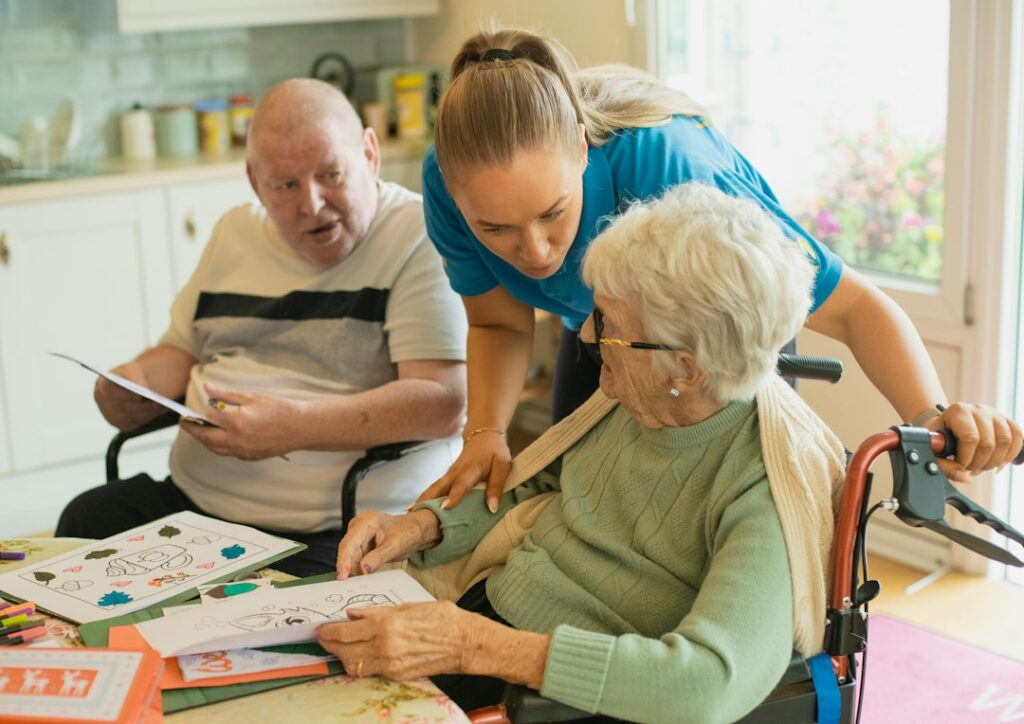
Moving to assisted living can solve practical concerns, but the transition may still feel emotionally and physically demanding. Residents often need time to adjust to a new routine, different surroundings, shared spaces, and changes in independence. Families can make the process easier by anticipating these challenges instead of treating them as signs that the move was a mistake.
Why does moving to assisted living feel difficult at first?
The first several weeks may bring mixed emotions, including relief, sadness, frustration, embarrassment, or uncertainty. Even when a move is clearly needed, leaving a longtime home can feel like losing familiar routines, neighbors, possessions, and privacy.
A new residence also creates many small adjustments:
- Learning the layout of the building
- Remembering dining, activity, and medication schedules
- Meeting unfamiliar residents and staff members
- Getting used to sounds, lighting, and shared spaces
- Figuring out where personal belongings belong
- Understanding which decisions the resident still manages independently
A temporary decline in mood or increased irritability is not unusual during the adjustment period. It may take several weeks or longer before the new setting feels familiar.
How can someone cope with the loss of independence?
Loss of independence is one of the most common concerns. Residents may worry that accepting help with bathing, medication, meals, or mobility means they are no longer capable of making their own decisions.
Assisted living is not intended to remove every choice from a resident’s day. Preserving control over ordinary decisions can help protect dignity. Depending on the person’s abilities and residence policies, meaningful choices may include:
- What clothing to wear
- Which activities to attend
- When to visit with family
- How to arrange personal furniture and decorations
- Whether to eat in a dining room or another permitted setting
- Which hobbies, faith practices, or social opportunities to continue
Families should avoid taking over every task immediately. Assistance should match the resident’s actual needs, not simply the family’s anxiety about safety. A person may need help with medication management while still being fully capable of choosing meals, friendships, and daily activities.
What happens when routines change?
Many residents have spent years following a predictable schedule at home. Assisted living introduces set dining times, scheduled medications, transportation arrangements, wellness checks, and organized activities. These routines can provide structure, but they may initially feel restrictive.
Residents may also have different sleep patterns, food preferences, or personal habits than the people around them. Someone who usually ate breakfast late may need time to adjust to dining hours. A person accustomed to quiet afternoons may find group activities or hallway traffic tiring.
It can help to identify the resident’s essential routines before the move. A short written summary may include:
- Typical wake-up and bedtime
- Preferred foods and drinks
- Usual bathing schedule
- Important cultural, spiritual, or family practices
- Helpful calming strategies
- Activities the resident enjoys or avoids
This information can support consistency during the early transition.
Why can socializing be harder than expected?
Assisted living offers opportunities for social connection, but residents are not required to feel comfortable in group settings right away. Introverted people, individuals with hearing loss, and those experiencing memory changes may find common areas overwhelming.
A resident may attend an activity once and decide it is not suitable. That does not necessarily mean social engagement will never work. Smaller or more familiar interactions may be easier, such as talking with one neighbor, joining a quiet hobby, eating with the same table group, or participating in a short activity.
Families should also recognize that social adjustment may be affected by grief, depression, anxiety, or physical limitations. Persistent withdrawal, loss of interest, unusual confusion, or major changes in appetite and sleep deserve attention rather than being dismissed as normal settling-in behavior.
How do families handle disagreements about the move?
Family conflict often develops because relatives have different views of what the resident needs. One person may focus on fall prevention, another on cost or convenience, while the resident may focus on privacy and familiar surroundings.
Disagreements are easier to manage when conversations stay specific. Instead of asking whether the resident is “doing well,” discuss observable issues:
- Has the resident missed meals?
- Is medication being taken as directed?
- Are falls or near-falls occurring?
- Is personal care being completed?
- Does the resident understand the daily schedule?
- Has mood changed significantly?
- Is the person sleeping adequately?

The resident should remain involved in decisions whenever possible. If cognitive impairment affects decision-making, families may need to follow existing legal documents and care plans rather than relying on informal assumptions.
What belongings should be brought?
Too many belongings can create clutter, while too few can make a room feel unfamiliar. The goal is not to recreate the entire former home. It is to create a safe, recognizable space that supports comfort and identity.
Useful items may include:
- A favorite chair, blanket, or lamp
- Family photographs
- A clock with large, easy-to-read numbers
- Familiar books, music, or craft supplies
- Seasonal clothing that is easy to identify
- Personal toiletries and comfort items, when permitted
Before moving furniture, check room dimensions, electrical safety, walking paths, and residence rules. In homes with cold winters, wet conditions, and changing seasonal clothing needs, storage should be organized so that coats, footwear, and mobility equipment do not obstruct entrances or hallways.
Valuable jewelry, large amounts of cash, and irreplaceable objects may create unnecessary worry if lost or misplaced.
What if the resident dislikes the food, room, or daily schedule?
Early complaints are common and should be taken seriously without assuming that the entire arrangement has failed. The issue may be specific and solvable: an uncomfortable chair, a noisy hallway, limited food choices, difficulty hearing announcements, or confusion about transportation.
Keep a brief record of concerns and look for patterns. A single difficult meal is different from repeated inability to eat enough. Occasional frustration is different from ongoing fear or unsafe care.
Residents should be encouraged to describe what would make the situation better. Practical changes might involve rearranging furniture, adjusting clothing storage, finding quieter activities, clarifying schedules, or identifying alternative meal selections within the residence’s options.
How can relatives stay involved without making adjustment harder?
Regular contact can provide reassurance, but excessive visits or frequent questioning may unintentionally increase stress. A resident may feel pressured to report that everything is perfect or may become more focused on what has been lost.
Helpful family involvement often includes:
- Visiting at predictable times
- Bringing a familiar snack or activity when allowed
- Helping organize photographs or clothing
- Taking short walks when safe
- Listening without immediately correcting complaints
- Sharing concerns clearly and calmly with appropriate staff
Phone and video conversations may be useful during busy periods, severe weather, or when travel is difficult. The most helpful visits usually balance emotional support with respect for the resident’s new routines.
When is a difficult transition a sign of a deeper problem?
Adjustment takes time, but serious or worsening concerns should not be ignored. Families should seek prompt guidance when there are repeated falls, unexplained injuries, medication problems, dehydration, significant weight loss, new severe confusion, persistent sadness, threats of self-harm, or signs of neglect or abuse.
A sudden change may also result from an infection, medication side effect, pain, dehydration, sleep disruption, or another medical issue. New confusion should not automatically be labeled as dementia or blamed on the move.
The transition is more likely to improve when expectations are realistic, choices are preserved, concerns are documented, and the resident’s emotional response is treated with respect. Assisted living may provide needed support, but feeling settled usually develops gradually through familiar routines, personal connections, and a living space that still reflects the individual’s identity.
