
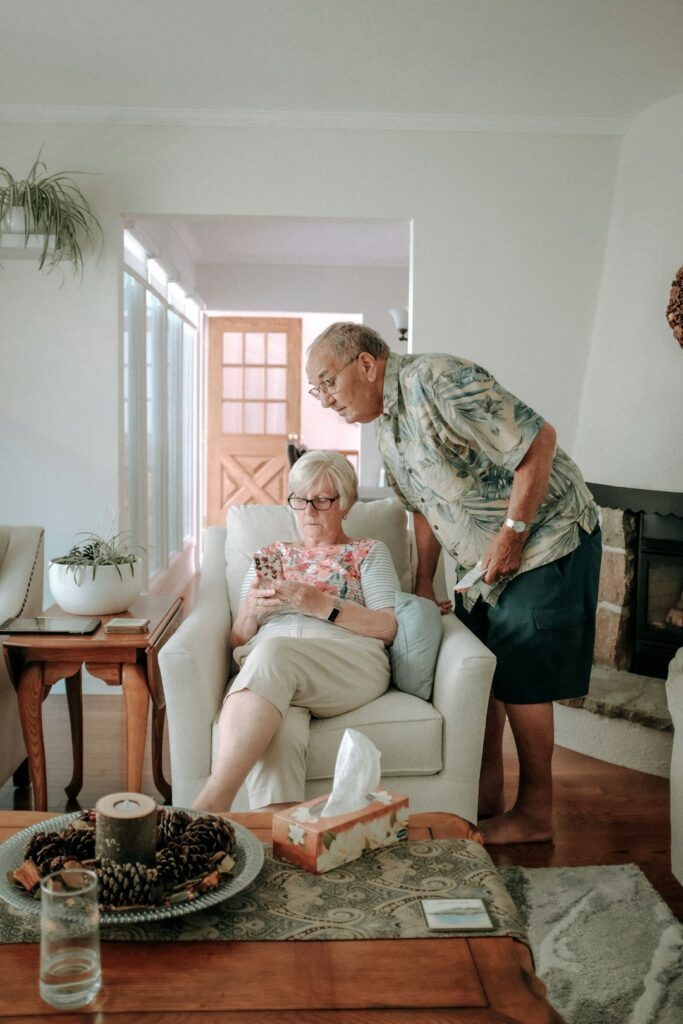
Holiday celebrations in assisted living can be meaningful, familiar, and enjoyable without becoming overwhelming. The most successful gatherings usually balance tradition with residents’ comfort, health needs, energy levels, and personal preferences.
How are holidays celebrated in assisted living?
Assisted living communities generally recognize holidays through a combination of decorations, meals, music, social activities, religious observances, and visits from family members. The exact schedule varies, but celebrations are often adapted so residents can participate at different levels.
A holiday event might include:
- A small gathering with seasonal music
- A special meal or dessert
- A craft, baking activity, or decorating project
- A visit from family or friends
- A faith-based service or quiet reflection
- A movie, storytelling session, or reminiscence activity
- A private celebration in a resident’s apartment
Participation is usually optional. A resident may enjoy a large gathering one year and prefer a quieter visit the next. Changes in mobility, hearing, vision, memory, or stamina can affect how a person wants to celebrate.
How can families make holiday visits more comfortable?
Families can make visits easier by planning around the resident’s daily routine rather than arriving with an unpredictable schedule. Shorter visits are often more enjoyable than long gatherings, especially for residents who tire easily or have dementia-related challenges.
Before visiting, consider:
- Choosing a time when the resident is usually alert and rested
- Limiting the number of visitors at one time
- Bringing familiar foods only after checking dietary guidelines
- Using a quieter room if crowds or noise cause stress
- Allowing extra time for introductions and conversation
- Avoiding pressure to participate in every activity
- Planning transportation and weather-related delays in advance
In Chalfont, winter holidays may involve cold temperatures, snow, ice, and changing road conditions. Families should allow additional travel time and confirm that outdoor walks or vehicle transfers can be completed safely. A visit does not have to be lengthy to be meaningful.
Conversation can be easier when it focuses on familiar memories, photographs, music, recipes, or family traditions. Questions with a clear subject—such as “What did you usually serve at holiday dinners?”—may work better than broad questions such as “Do you remember the holidays?”
What if a resident has memory loss or dementia?
Residents with memory loss can still enjoy holidays, but large gatherings and unfamiliar routines may cause confusion. Familiar sights, sounds, and scents are often more helpful than complicated explanations.
Helpful approaches include:
- Displaying a few recognizable decorations instead of filling the room
- Playing music from the resident’s younger years
- Looking through labeled family photographs
- Repeating information calmly without correcting every mistake
- Keeping visits predictable and relatively brief
- Offering one activity at a time
- Watching for signs of fatigue, anxiety, or overstimulation
A person with dementia may not remember that a holiday is approaching, but may still respond positively to music, warm conversation, a favorite dessert, or the feeling of being included. The goal is not to test memory. The goal is to create comfort and connection in the moment.
Family members should also expect emotions to vary. A resident may become sad when discussing relatives who have died, past traditions that have changed, or holiday responsibilities that are no longer possible. A gentle shift to another activity can be more supportive than insisting on a cheerful mood.
How should holiday decorations be handled?
Decorations can make a room feel festive, but they should not create fall hazards, block exits, or interfere with mobility equipment. Decorations should be placed where they are visible without narrowing walking paths.
Safer choices often include:
- Lightweight decorations that are securely positioned
- Battery-operated candles instead of open flames
- Nonbreakable ornaments
- Small tabletop arrangements
- Soft lighting that does not create glare
- Door decorations that do not obstruct room numbers or handles
Residents who use walkers, wheelchairs, or canes need clear routes around furniture and decorations. Electrical cords should not cross walking areas. Families should also follow community rules regarding candles, appliances, food preparation, extension cords, and live greenery.
A small number of meaningful items may be more valuable than a room filled with decorations. A favorite ornament, handmade card, framed photograph, or familiar holiday tablecloth can provide a strong connection to home.
Can residents follow religious or cultural traditions?
Residents should be able to observe holidays according to their personal beliefs, cultural background, and family traditions, subject to health and safety requirements. Celebrations may include prayer, worship, special foods, fasting practices, music, storytelling, or traditional clothing.
Families can help by sharing specific information about the resident’s preferences. Useful details may include:
- Preferred religious or cultural observances
- Foods that are required, avoided, or prepared in a particular way
- Preferred times for prayer or services
- Important objects, readings, or music
- Whether the resident prefers private or group participation
Some residents may want to attend a service, while others may prefer a visit from a faith leader, a recorded service, or a quiet observance in their room. A person’s preferences may also change over time, so it is helpful to ask rather than assume.

How can holiday meals be adapted?
Holiday food can be an important part of celebration, but residents may have dietary restrictions related to diabetes, swallowing difficulties, food allergies, kidney disease, heart health, or medication interactions. Foods brought from home should be discussed with staff when necessary.
Practical adjustments may include:
- Serving smaller portions
- Choosing softer textures when needed
- Avoiding choking hazards
- Reducing excess salt or sugar
- Labeling homemade foods with ingredients
- Offering familiar alternatives if a resident cannot eat a traditional dish
- Scheduling meals at the resident’s usual eating time
A resident does not need to eat every traditional food to feel included. The smell of baked goods, a favorite tea, a small serving of a family recipe, or participation in setting the table may provide the holiday experience without creating health concerns.
What should families do if a resident cannot leave the community?
A resident who cannot travel can still take part in family traditions. Families might bring photographs, recorded greetings, a familiar decoration, handwritten cards, or a small portion of a traditional meal.
Video calls may be useful, but they are not ideal for everyone. Hearing or vision limitations, unfamiliar technology, and poor internet connections can make virtual visits frustrating. A simple recorded message or printed family update may work better.
Families can also recreate a familiar activity in a smaller setting, such as:
- Folding holiday cards
- Listening to a favorite album
- Looking at old family photographs
- Watching a familiar seasonal movie
- Decorating a small tabletop tree
- Reading a traditional story
- Sharing memories connected to a recipe
The activity should match the resident’s abilities and interests. Participation may mean watching, listening, holding an item, or offering a brief comment rather than completing the task independently.
How can holidays remain inclusive for residents who do not celebrate them?
Not every resident observes the same holidays. An inclusive environment offers choices instead of assuming that every person wants seasonal music, decorations, religious programming, or group events.
Residents may prefer:
- A regular daily routine
- A quiet meal without holiday themes
- A different cultural or religious observance
- A private visit
- A nature activity or ordinary conversation
- No special celebration at all
Respectful holiday planning makes room for different beliefs, family situations, and emotional responses. Some residents may be grieving, estranged from relatives, or uncomfortable with public attention. Staff and visitors should treat those preferences with the same respect given to enthusiastic participation.
What safety concerns deserve special attention?
Holiday safety depends on preserving clear paths, following dietary instructions, monitoring fatigue, and keeping decorations away from heat sources. Visitors should also watch for changes in mood, confusion, balance, or breathing during a busy gathering.
In colder months, safe transportation matters as well. Slippery walkways, heavy coats, wet floors, and reduced daylight can increase fall risks. Residents may need help with footwear, outerwear, vehicle transfers, and returning to a comfortable indoor temperature.
A thoughtful celebration does not need to be elaborate. It should give residents a sense of familiarity, choice, dignity, and connection while respecting their current abilities and daily needs.
