
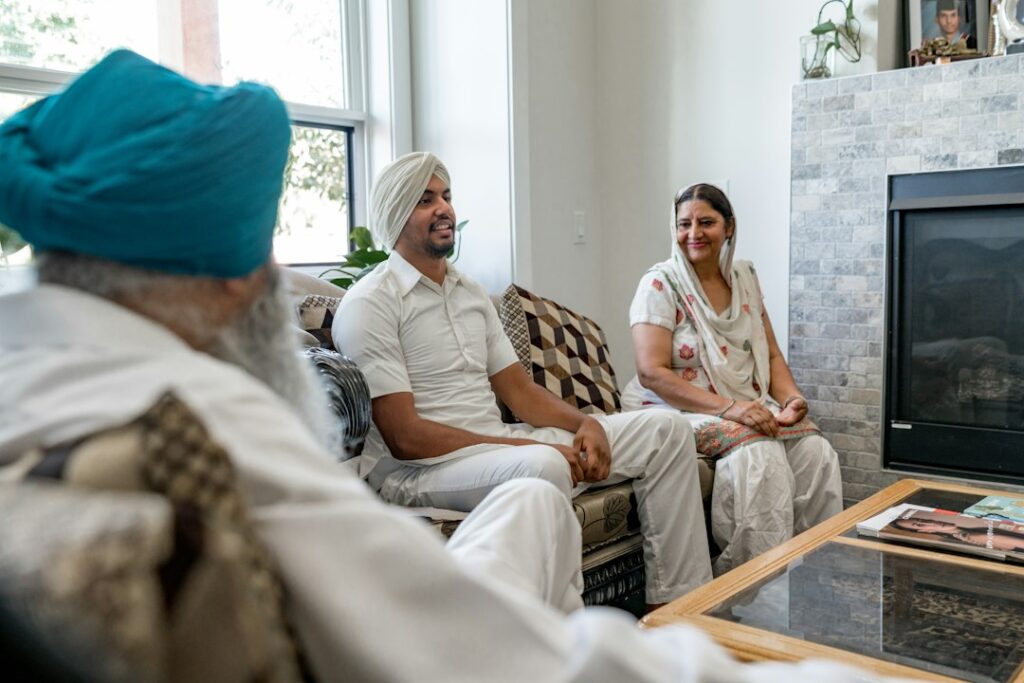
Residents and families in Chalfont, PA often want to know whether assisted living can accommodate religious practices, cultural traditions, preferred foods, language needs, and meaningful daily routines. In Pennsylvania, assisted living residents have the right to practice the religion or faith of their choice—or to practice no religion—and should receive care without discrimination based on religious creed, race, ancestry, national origin, or disability.
Cultural and religious accommodations are not limited to holiday celebrations. They can affect meals, schedules, personal care, visitors, clothing, privacy, worship, communication, and end-of-life preferences. The most successful arrangements are discussed before move-in and documented clearly in the resident’s service plan.
What types of cultural and religious accommodations may be available?
Assisted living accommodations may include changes to routines, food service, personal care, communication, and access to spiritual practices. The exact arrangement depends on the resident’s needs, the residence’s policies, health and safety requirements, and the level of assistance required.
Common examples include:
- Observing daily prayer, meditation, or devotional practices
- Receiving visits from clergy, spiritual advisers, family members, or cultural community members
- Following religious or cultural dietary practices
- Avoiding certain foods or ingredients
- Observing fasting periods when medically appropriate
- Wearing religious clothing, head coverings, jewelry, or other personal items
- Requesting same-gender assistance with bathing, dressing, or other personal care when reasonably possible
- Maintaining preferred customs around modesty, touch, grooming, and privacy
- Receiving information and care instructions in a preferred language
- Celebrating important religious or cultural holidays
- Following specific customs related to serious illness, death, burial, or mourning
An accommodation does not necessarily mean that every request can be provided exactly as requested. It does mean the request should be considered respectfully and addressed through a clear, individualized discussion rather than dismissed as inconvenient or unusual.
How are religious dietary needs handled?
Dietary accommodations should be discussed in practical detail. Saying that a resident follows a particular faith may not fully explain what the kitchen needs to provide. Families should describe specific restrictions, preparation preferences, fasting practices, acceptable substitutions, and foods that should be avoided.
Questions may include:
- Are pork, shellfish, meat, dairy, eggs, or alcohol restricted?
- Must foods be prepared separately?
- Are certain foods acceptable only if prepared in a particular way?
- Are there fasting periods or special meal times?
- Can meals be served in a private room if a resident is fasting or unwell?
- What alternatives are available if a requested item is not on the regular menu?
Nutrition and medical safety remain part of the discussion. A resident with diabetes, swallowing difficulty, food allergies, kidney disease, or another medical condition may need a plan that balances religious or cultural preferences with clinical requirements. If a requested fast could create a serious health risk, the care team should explain the concern and discuss safer alternatives with the resident and authorized decision-makers.
Dietary preferences should be written into the resident’s care documentation, including who needs to be notified when menus or health conditions change.
Can residents practice their religion in assisted living?
Yes. Residents generally retain the right to practice their faith or to choose not to participate in religious activities. This may involve private prayer, reading sacred texts, listening to religious services, attending gatherings, or receiving visits from a faith leader.
A residence may set reasonable rules related to safety, infection control, privacy, building access, or shared spaces. Those rules should be applied consistently and should not unnecessarily prevent a resident from worshiping or observing religious practices.
For a resident who has memory loss or cognitive impairment, staff and family members may need to identify familiar practices that provide comfort without assuming that participation is always desired. A person who previously attended group services may now prefer quiet music, private prayer, or a familiar ritual in the room.
Residents also have the right not to participate. Religious programming should not be treated as mandatory, and staff should avoid presenting one faith tradition as the default for everyone.
What should families ask about personal care and modesty?
Personal care can be one of the most sensitive areas for cultural and religious accommodation. Preferences involving gender, modesty, bathing, grooming, touch, and clothing should be discussed before care begins.
Useful questions include:
- Can the resident request assistance from a caregiver of a particular gender?
- How are bathing and dressing preferences recorded?
- Can doors, curtains, and coverings be used to protect modesty?
- May the resident keep a head covering or other religious garment on during certain activities?
- How are hair, beard, nail, or grooming customs handled?
- What happens if the preferred caregiver is not available?
A specific caregiver may not always be available at every moment, especially during an emergency or overnight shift. Even so, the request should be documented, and staff should explain limitations respectfully. Privacy during bathing, dressing, changing, and medical care is an important part of dignified assistance.

How can language and communication needs be supported?
Cultural accommodation also includes communication. A resident may understand some English but have difficulty discussing pain, medication side effects, personal care, or emotional concerns in English.
Families should identify:
- The resident’s preferred spoken and written language
- Words or phrases used to describe pain or discomfort
- Whether an interpreter is needed for care planning or medical discussions
- Who may translate and who may not
- Any hearing, vision, or speech-related communication needs
Family members can provide helpful background, but they may not always be suitable interpreters for complex health decisions. Important information should be communicated in a way the resident can understand, with appropriate interpretation or other communication support when needed.
How should cultural traditions be included in daily life?
Accommodation works best when it includes ordinary routines, not just special events. A resident may prefer a particular sleeping schedule, morning ritual, type of music, family visiting pattern, or way of arranging personal belongings.
In a community with changing seasons, families may also need to plan for winter clothing, indoor prayer or gathering space, and transportation limitations during snow or icy conditions. A resident who observes a holiday according to a lunar or religious calendar may need advance planning because the date changes each year.
Helpful personal details might include:
- Preferred wake-up and bedtime routines
- Important holidays and observances
- Foods associated with comfort or family traditions
- Preferred forms of address
- Family roles in decision-making
- Personal boundaries involving touch and privacy
- Objects, music, readings, or rituals that provide reassurance
These details can help staff distinguish a personal preference from a critical religious practice and respond appropriately to both.
What if a requested accommodation is denied?
A family should first ask for the reason, the specific policy involved, and whether an alternative is available. A denial may relate to health risks, staffing, building design, shared-resident concerns, or a service that the residence does not provide. The explanation should be specific rather than simply stating that the request is not allowed.
Residents and representatives may request that concerns be reviewed through the residence’s grievance process. Keep written notes about the request, the response, and any proposed alternatives. If the concern involves possible discrimination or a violation of resident rights, Pennsylvania’s long-term-care complaint and ombudsman resources may provide additional guidance.
The goal is not to give every resident an identical experience. It is to provide respectful care that recognizes individual beliefs, traditions, boundaries, and choices while maintaining safety and the rights of the wider community.
What should be included in the move-in discussion?
Before admission, ask for written answers about food, worship, visitors, language support, personal care, holiday observance, room privacy, and end-of-life customs. Bring a concise list of non-negotiable practices and preferences that can be shared with direct-care staff.
Requests should be revisited after hospitalization, a change in diagnosis, a move to a different care level, or a change in the resident’s ability to communicate. Cultural and religious needs are part of person-centered care, not a one-time intake form.
